From jet lag and poor sleep to exercise and chronic stress, this review unpacks how everyday lifestyle factors can disrupt gut microbial rhythms and why these changes may matter for metabolism, immunity, and long-term disease risk.
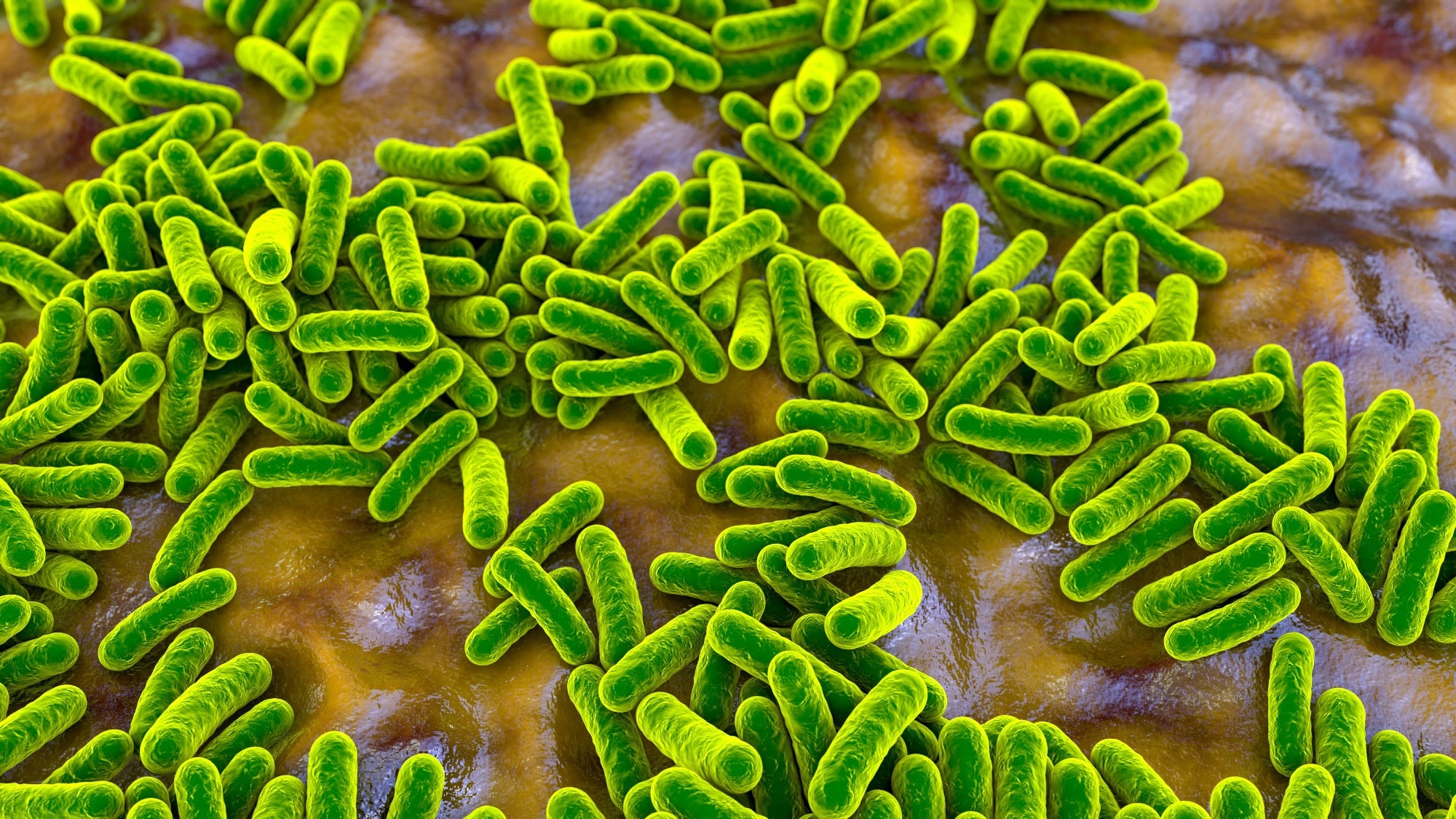
Study: Emerging Roles of Modern Lifestyle Factors in Microbiome Stability and Functionality. Image Credit: Kateryna Kon / Shutterstock
A recent review published in the journal Current Clinical Microbiology Reports discussed how modern lifestyle factors affect the microbiome.
Changes in the metabolomic output and composition of the gut bacterial community, known as the bacteriome, can modulate host health. The bacteriome is increasingly studied in cancer for diagnostic, therapeutic, and prognostic purposes, opening new horizons for cancer management.
Understanding the factors that lead to alterations in the bacteriome may therefore help improve the management of a wide range of medical conditions.
Multiple factors contribute to changes in the bacteriome, including lifestyle, dietary habits, inflammation, environment, and physical activity. These factors are also risk determinants for many acute and chronic diseases.
In this review, researchers discussed the roles of the circadian clock, exercise, stress, and sleep in maintaining the gut bacteriome and the consequences when this interplay is disrupted.
Circadian Rhythm Disruption and the Gut Microbiota
Modern lifestyle behaviors such as airplane travel, shift work, and exposure to artificial light can disrupt the circadian rhythm (CR).
Recent studies indicate that the gut microbiota is both a component and regulator of CR and may contribute to pathologies associated with circadian disruption. Peripheral and central clocks, feeding behavior, photic cues, and diet have all been shown to modulate microbial circadian rhythms.
Experimental studies report that mice deficient in clock genes show attenuated or absent rhythmic changes in microbiota composition and lack feeding rhythms. Time-restricted feeding restored microbiota circadian rhythmicity in these models.
Disruption of the light and dark cycle altered feeding behavior and impaired microbial rhythmicity. However, mice maintained microbiota rhythmicity under constant darkness, suggesting that intrinsic circadian clocks and feeding-related cues are more influential than light exposure alone.
Sleep Patterns, Immune Function, and Microbiome Health
Sleep, like circadian rhythm regulation, plays a central role in physiological homeostasis, and its disruption can substantially affect health.
A prospective cohort study involving more than 400,000 participants found that individuals with healthy sleep patterns had a 17 percent lower risk of colorectal cancer. In contrast, sleep disorders, including irregular sleep patterns and insomnia, were associated with a 12 percent higher risk, independent of other lifestyle factors, although residual confounding cannot be excluded.
Sleep deprivation (SD) is characterized by insufficient or poor-quality sleep and is driven by factors similar to those that disrupt circadian rhythms.
Chronic SD impairs immune function by increasing pro-inflammatory cytokines and reducing anti-inflammatory cytokines. Individuals with SD show reduced natural killer cell activity, which may compromise immune surveillance against tumors and infections.
SD-related alterations in the gut microbiota have also been reported, primarily in experimental and observational studies, and have been linked to impairments in cognitive health and metabolic regulation.
Exercise-Induced Modulation of the Gut Microbiome
Exercise induces favorable changes in the gut microbiota in animal models, including increased abundance of beneficial genera such as Akkermansia, which are associated with lower inflammation and improved gut barrier function.
Human studies indicate that structured endurance exercise improves metabolic health markers and cardiorespiratory fitness and can lead to beneficial shifts in gut microbiota composition.
The gut microbiome may also influence the metabolic benefits derived from exercise.
In one study, exercise-induced changes in the microbiome in men with prediabetes were associated with improvements in insulin sensitivity and glucose homeostasis. Responders exhibited increased microbial capacity for short-chain fatty acid biosynthesis and branched-chain amino acid catabolism.
In contrast, non-responders showed increased production of metabolically unfavorable compounds, including phenolic derivatives and sulfate-associated metabolites.
Fecal microbiota transplantation from responders reproduced exercise-related improvements in insulin resistance when transferred to obese mice.
Stress, the HPA Axis, and Microbiome Regulation
The role of the gut microbiota in stress responses has gained increasing attention in recent years, as both acute and chronic stressors contribute to disease risk.
The stress response is mediated by the hypothalamic–pituitary–adrenal (HPA) axis, which coordinates interactions between the central nervous system and peripheral organs.
Dysregulation of the HPA axis leads to maladaptive stress responses. Both acute circadian misalignment and chronic circadian disruption can function as stressors.
Experimental studies show that depletion of the gut microbiota results in arrhythmic expression of circadian-regulated genes, impaired corticosterone release, and altered rhythmicity of metabolic and HPA axis function in mice.
Limitations and Knowledge Gaps
Modern lifestyle factors, including stress, circadian disruption, exercise patterns, and sleep deprivation, can modulate the composition and function of the gut microbiota, thereby influencing health and disease risk.
Circadian disruption also perturbs microbial rhythmicity, contributing to dysregulated immune responses and metabolic disturbances.
However, much of the mechanistic evidence supporting these associations is derived from animal models, while human studies are predominantly observational.
Current evidence on circadian disruption focuses mainly on bacterial communities, with limited data on other microbes such as archaea, fungi, and viruses.
Although specific bacterial taxa and metabolites have been associated with disease risk, the underlying molecular mechanisms remain poorly understood.
The relationships between non-intestinal microbiomes, such as oral and skin communities, and lifestyle factors, as well as physiological outcomes, remain unclear.
Large cohort studies further suggest that polypharmacy may exert a stronger influence on microbiome variation than lifestyle factors alone.
Implications for Future Research and Health Interventions
A more comprehensive understanding of how diverse microbes and their metabolites interact with lifestyle factors may support the development of novel strategies to mitigate adverse health effects associated with modern living.
 Scientists debunk gut microbiome-autism connection